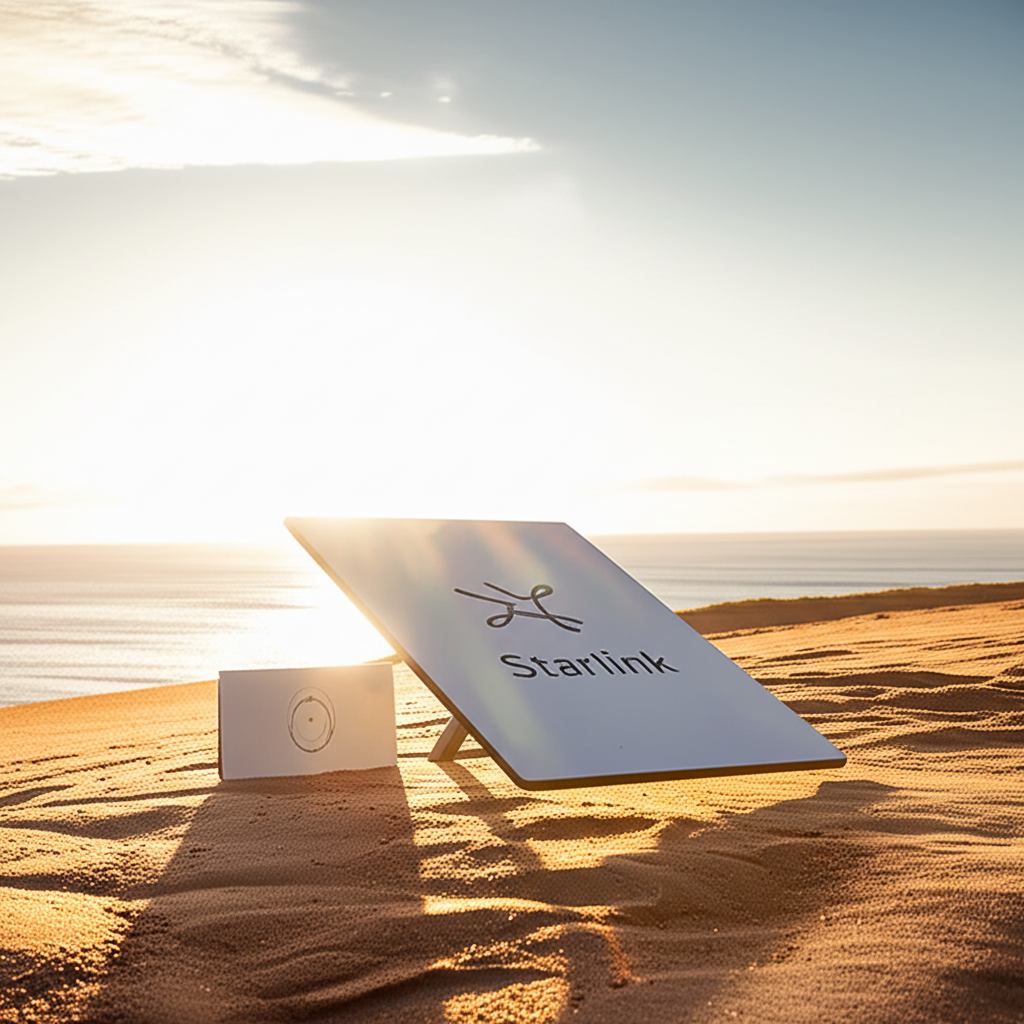
Network & Event Connectivity
Internet where the
cables don't reach.
Turnkey wireless connectivity for Malaysia — Starlink backhaul and long-range 5 GHz bridges bring reliable internet to events, remote sites, plantations, and outdoor operations anywhere, from KL to Sabah.
Mon–Fri 9–6 GMT+8 · MY: +60384081397 · SG: +6586605216
100+
Languages
10,000+
Clients Served
21+
Years Experience
PM-led
Project-Managed
Selected clients in Malaysia
About Wireless Connectivity
Temporary and Permanent Internet, Deployed Wirelessly
Bring internet to any location in Malaysia without a fixed line — Starlink backhaul at one point, long-range wireless bridges distributing it across the whole site.
Wireless connectivity is the design and installation of a network that delivers internet to a location without relying on fixed-line infrastructure. Translife combines a satellite or fixed backhaul at a central point with long-range 5 GHz wireless bridges that distribute connectivity to devices spread across a wide area — up to a 5 km radius per link — with no trenching, no cabling runs, and no permanent works. When the job is temporary, it is taken down cleanly afterwards; when it is permanent, we hand over a fully managed network.
This is the connectivity layer for the places where event WiFi rental and structured cabling alone cannot reach: an outdoor festival on open padang land, an oil palm estate 15 km from the nearest Telekom line, a 6 km highway construction corridor, or an island resort with villas scattered across steep terrain. For the internet source we most often use Starlink satellite rental, which makes the feed location-independent — the only real constraint becomes line-of-sight for the wireless distribution, not proximity to a fibre exchange.
We deploy remote-site internet and temporary event WiFi nationwide across Malaysia — Kuala Lumpur, the Klang Valley, Penang, Johor, and East Malaysia including Sabah and Sarawak — on a rental, managed, or permanent basis. Every deployment is enterprise-grade: proper RF planning, VLAN segmentation, encryption, and failover, so the network survives real-world conditions rather than collapsing under them.
The Architecture
One Source In. Every Device in the Field, Online.
A single internet feed lands at your control point and is distributed wirelessly to each remote unit — no fixed line, no trenching, taken down cleanly when the job is done.
Backhaul
Starlink satellite or a fixed line brings internet to the site.
Control point
Dish, router and a base radio form the central hub.
Distribution
5 GHz point-to-multipoint links fan out across the area.
Remote units
Each device connects through its own bridge, up to 5 km out.
Backhaul
A Starlink satellite terminal, fixed fibre line, or bonded 4G/5G router brings internet to a single point on your site — the source of the entire network.
Control point
The backhaul feeds a control point: dish, enterprise router with firewall, and a base radio. VLANs and SSIDs are configured here to segment guest, operations, and IoT traffic.
Distribution
Long-range 5 GHz point-to-multipoint (PtMP) links fan out from the base radio to reach every corner of the site — each link covering up to 5 km with clear line-of-sight.
Remote units
Each building, cabin, camera, or device connects through its own bridge radio or access point, up to 5 km from the hub — no cabling run required between them.
The elegance of this architecture is that the hard part — getting a reliable internet feed to a remote or temporary location — is solved once, at the control point. From there, distributing that connectivity is a matter of point-to-multipoint wireless bridges, which are fast to deploy and easy to relocate. A single 5 GHz PtMP base station can feed several remote units at once, and additional links can be added as the site grows without re-engineering the whole network.
Technology
Backhaul and Distribution, Explained
The two halves of every wireless connectivity deployment — how the internet gets to the site, and how it reaches every device on it.
The backhaul: getting internet to the site
The backhaul is the internet feed itself. For fixed offices, this is fibre. But for the remote, temporary, and outdoor locations we specialise in, fibre either does not exist or would take months and a large capital budget to provision. That is where Starlink satellite internet changes the equation: a Starlink terminal delivers 50–200 Mbps with 20–50 ms latency almost anywhere with a clear view of the sky, and can be activated the same day it arrives on site. For sites that need extra resilience, we bond Starlink with a 4G/5G cellular link so traffic fails over automatically if one connection degrades.
The distribution: reaching every device
Once internet lands at the control point, it has to be distributed across the site. This is the job of long-range 5 GHz wireless bridges. A point-to-point (PtP) bridge creates a dedicated wireless link between two locations — for example, from a main office to a camp 3 km away. A point-to-multipoint (PtMP) base station feeds several remote units from a single hub, which is more efficient when connectivity has to reach many buildings or zones. Enterprise bridges from TP-Link Omada, Ubiquiti, and Cambium reliably cover up to about 5 km per link with clear line-of-sight, and considerably further with high-gain dish antennas mounted on elevated masts.
The local layer: WiFi and segmentation
At each remote unit, connectivity is delivered to people and devices through enterprise access points — the same event WiFi technology we deploy indoors. Throughout the network, VLANs and SSIDs segment traffic: guest WiFi is isolated from operations, and IoT or CCTV traffic runs on its own network. This keeps the whole deployment secure, manageable, and resilient — a bandwidth spike on the guest network never starves your payment terminals or security cameras.
Where We Deploy
Built for the Places Connectivity Is Hardest
From open festival grounds to off-grid plantations — wireless connectivity for the sites that fixed lines never reach.
Events & festivals
Ticketing, cashless payments, live streaming, and crew comms for outdoor and pop-up venues where there is no venue WiFi to rely on.
Plantations & rural sites
Internet for oil palm and rubber estates, camps, and project sites that sit off the grid — plus wireless backhaul for soil, weather, and telemetry sensors.
Construction & industrial
Site offices, IP CCTV, biometric attendance, and IoT sensors connected across a large construction footprint or industrial estate.
Telemetry & CCTV
Distributed sensors, data loggers, and security cameras reporting back to a central control room or the cloud over a dedicated wireless link.
Pop-up & remote offices
A full connectivity stack — internet, WiFi, and segmented networks — stood up in hours and removed cleanly afterwards.
Resorts & off-grid tourism
Reliable guest WiFi and back-of-house connectivity for island resorts, eco-lodges, and dive centres far from any fixed line.
Capabilities
The Numbers Behind the Network
Enterprise-grade hardware, sized to the site and quoted as a fixed, itemised package.
Clear line-of-sight, further with high-gain dish antennas on masts
Satellite, fibre, or bonded 4G/5G — chosen to fit the site
Point-to-point and point-to-multipoint wireless bridges
Surveyed, installed, aligned, tested and operations-ready
TP-Link Omada, Ubiquiti, Cambium, Starlink
Short-term rental, managed contract, or permanent install
Gallery
Wireless Connectivity in the Field
Starlink backhaul and wireless distribution deployed at remote sites and outdoor events across Malaysia.
Remote-site backhaul
Starlink internet feed off-grid
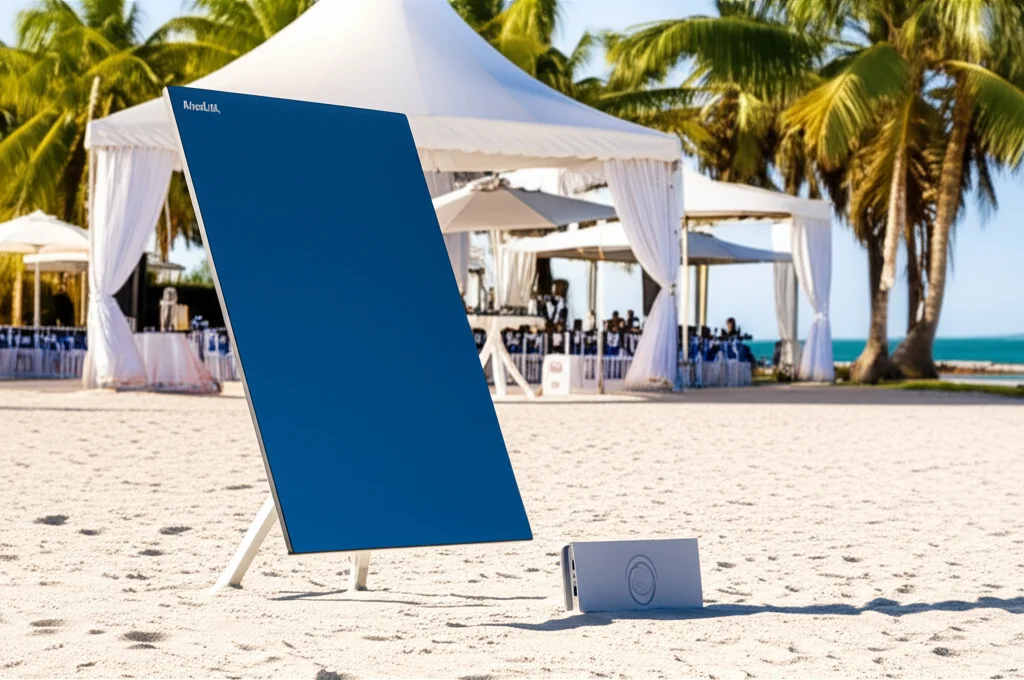
Outdoor event WiFi
Wireless distribution across the ground
Real-World Use Cases
How Clients Use Wireless Connectivity
From off-grid plantations to outdoor festivals — real scenarios showing how Starlink backhaul and wireless bridges bring sites online.
Oil Palm Plantation with No Fixed Line
A 2,000-hectare oil palm estate in the interior of Sabah has a main office, three worker camps, a weighbridge, and dozens of field sensors — but no Telekom line within 15 km. The manager needs internet at the office for reporting and payroll, connectivity at the camps for worker welfare, and a way to bring weighbridge and sensor data back to head office in real time.
- Estate manager contacts Translife for a remote-site connectivity solution
- We survey the estate, confirm line-of-sight between the office, camps, and weighbridge, and identify mast locations
- A Starlink terminal is installed at the main office as the internet backhaul, feeding a control point with router and base radio
- Long-range 5 GHz point-to-multipoint bridges distribute connectivity to the three camps, the weighbridge, and a sensor gateway up to 5 km away
- VLANs separate office operations, worker guest WiFi, and telemetry traffic; on-call engineers support the network remotely
The office, all three camps, and the weighbridge came online within 72 hours. Weighbridge and field-sensor data now flows to head office in real time over the wireless network, and the estate finally has reliable connectivity after years of relying on patchy mobile signal.
Outdoor Festival on a Field with No Infrastructure
A two-day music festival is being held on open padang land outside Kuala Lumpur. There is no fixed internet, no venue WiFi, and mobile networks buckle once 8,000 attendees arrive. The festival needs connectivity for cashless payment terminals across food and merch stalls, ticket scanning at the gates, a live-stream broadcast, and radio-free crew coordination.
- Operations director requests a turnkey temporary internet solution covering the whole festival ground
- Translife deploys Starlink as the backhaul with a bonded 4G/5G failover link for redundancy
- A base radio at the central production tent distributes connectivity via 5 GHz bridges to the gates, stalls, and broadcast area
- Separate SSIDs are created for payment terminals, ticketing, crew, and the streaming workstation, each with guaranteed bandwidth
- An on-site engineer monitors the network across both days and reallocates bandwidth as crowd density shifts
Cashless payments processed without a single timeout across 60+ stalls, gates scanned tickets without queues, and the live stream ran uninterrupted. The failover link activated briefly during a downpour and no vendor lost a transaction.
Construction Site Security & Site-Office Internet
A highway construction package stretches 6 km along a new alignment with three site offices, a batching plant, and a laydown yard. The client requires 24/7 IP CCTV coverage for security and safety compliance, internet at each site office for BIM and document control, and connectivity for biometric attendance — but the corridor has no fixed-line service.
- Project manager engages Translife for site-wide connectivity and CCTV backhaul
- We install Starlink at the main site office and a control point with router, firewall, and base radio
- Point-to-multipoint 5 GHz bridges link the two satellite offices, the batching plant, and the laydown yard back to the hub
- IP CCTV cameras across the corridor stream to a central NVR over dedicated bandwidth on a segmented VLAN
- Biometric attendance and site-office WiFi run on separate networks; the setup is designed to relocate as the works progress
All three offices, the batching plant, and 18 CCTV cameras came online across the 6 km corridor. Security footage is centralised and retained, document control works from every office, and the network relocates with the works as the alignment advances.
Island Resort Guest WiFi & Back-of-House
An eco-resort on a small island off the east coast has villas spread across steep terrain, a main lobby, a dive centre, and a staff village — connected today only by an overloaded single mobile router. Guests complain about WiFi, the dive centre cannot process online bookings reliably, and the PMS (property management system) drops connection during check-in.
- General manager asks Translife for a resort-wide wireless connectivity upgrade
- We deploy Starlink as the primary backhaul at the lobby with a control point and base radio
- 5 GHz point-to-multipoint bridges carry connectivity across the terrain to villa clusters, the dive centre, and the staff village
- Enterprise access points at each cluster deliver seamless guest WiFi; a separate VLAN isolates the PMS and payment systems
- The resort keeps the setup as a permanent managed install with quarterly maintenance and remote monitoring
Guest WiFi now reaches every villa, the dive centre processes bookings and payments reliably, and the PMS no longer drops during check-in. The resort converted the temporary trial into a permanent managed contract.
Wireless Bridges
Point-to-Point and Point-to-Multipoint Explained
How long-range 5 GHz bridges carry internet across distance — and how far they really reach in Malaysian conditions.
A wireless bridge is a pair (or more) of radios that create a dedicated network link between locations that cannot be joined by cable. In a point-to-point (PtP) configuration, two radios face each other and form a single high-throughput link — ideal for connecting a remote office, camp, or camera tower back to a hub. In a point-to-multipoint (PtMP) configuration, one base-station radio serves several remote subscriber radios at once, so a single hub can distribute internet to many buildings or zones efficiently. Most of our remote-site and event deployments use PtMP because it scales cleanly as the site grows.
Range depends on four things: line-of-sight (the single biggest factor — the radios must be able to “see” each other), antenna gain (high-gain dish antennas focus the signal and reach further), antenna height (mounting on masts clears trees and buildings), and the radio environment (how much competing 5 GHz traffic is nearby). With clear line-of-sight, enterprise bridges reliably deliver a link up to about 5 km; with elevated high-gain dishes, considerably more. In plantation and highland terrain, we plan mast heights and repeater hops during the survey so that hills and canopy do not break the chain.
This is why the site survey matters so much. Wireless connectivity is not guesswork — before we quote, we confirm line-of-sight between every point, model the coverage, and plan mast locations. That is the difference between a link that holds a stable connection through a tropical downpour and one that drops the moment conditions change.
East Malaysia
Remote-Site Internet for Sabah & Sarawak
Where connectivity is hardest and matters most — wireless deployment across Borneo's plantations, logging camps, mines, and off-grid operations.
Nowhere in Malaysia does remote-site internet matter more than in Sabah and Sarawak. Much of the country's oil palm, timber, mining, and oil & gas activity sits deep in the interior of Borneo, across terrain that fixed-line infrastructure has barely touched. An estate two hours up a logging road from Lahad Datu, a camp in the Sarawak interior, or a site off the grid near Kota Kinabalu or Kuching has, until recently, been effectively offline. Because Starlink makes the internet feed location-independent, that has changed entirely — a site in the Sabah interior is no harder to connect than one in the Klang Valley.
We deploy wireless connectivity across East Malaysia for plantation groups, logging and timber operations, quarries and mines, and energy sites — Starlink backhaul at the main point, and long-range 5 GHz point-to-multipoint bridges distributing it to camps, weighbridges, security cameras, and telemetry across the concession. The engineering challenge in Borneo is terrain and canopy: dense jungle and hilly ground break line-of-sight, so mast heights, high-gain dish antennas, and repeater hops are planned carefully during the survey to carry links over ridges and through gaps in the canopy. Logistics matter too — reaching a remote Sabah or Sarawak site is itself part of the job, and our deployments are planned around access, power, and the monsoon.
The result is the same connectivity a peninsular site would get: reliable internet at the office, welfare WiFi at the camps, real-time weighbridge and telemetry data back to head office, and centralised CCTV for security and compliance — deployed on a rental, managed, or permanent basis, and supported from the ground up. For operators running estates or sites across both East and Peninsular Malaysia, standardising on one wireless architecture turns connectivity from a regional headache into a single, supported utility.
How We Work
Survey to Teardown, One Accountable Team
A five-step process that delivers reliable wireless connectivity every time — for a single event or a permanent remote site.
Survey & Line-of-Sight
We visit the site (or study detailed maps and elevation data for remote locations) to confirm where the backhaul lands, verify line-of-sight between each point, identify mast or pole requirements, and map the coverage the wireless bridges can realistically deliver. Line-of-sight is the single biggest factor in wireless range, so this step determines everything that follows.
Design & Fixed Quote
Based on the survey, we design the network: backhaul type, control-point equipment, the number and placement of point-to-multipoint links, access points for local WiFi, and VLAN/SSID segmentation. You receive a fixed, itemised proposal — no per-device surcharges, no surprise setup fees — sized precisely to your site and coverage requirements.
Deploy & Commission
Our team installs and aligns every dish, mast, radio, and access point, then commissions the network: speed and latency tests on each link, coverage walk-tests, load testing, and integration with your CCTV, POS, telemetry, or streaming systems. We do not hand over until every link and every device is confirmed working.
Monitor & Support
For the duration of the deployment, on-site or on-call engineers monitor link health, bandwidth, and signal strength using management dashboards. For events, an engineer is present throughout. For long-term sites, we monitor remotely and respond to alerts before they become outages, with spare hardware ready to swap.
Teardown or Handover
For temporary jobs, we remove all equipment cleanly and recover it — no abandoned masts, no cable litter. For permanent installs, we hand over documentation, credentials, and a maintenance schedule, or continue managing the network for you under a support contract.
Security & Reliability
Enterprise Security and Failover, Built In
A wireless network is only useful if it stays up and stays secure. Both are standard on every Translife deployment.
Encrypted & Segmented
WPA3/enterprise encryption on every SSID, with VLANs separating guest, operations, and IoT/CCTV traffic. A guest device can never see your payment or telemetry network.
Firewall at the Control Point
An enterprise firewall protects the whole network from external threats and enforces traffic rules between segments — the same protection an office network gets, deployed in the field.
Automatic Failover
For critical sites and events, we bond Starlink with a 4G/5G backup. If the primary link degrades, traffic switches over in seconds — often before anyone notices.
Live Monitoring
Link health, bandwidth, and signal strength are monitored throughout the deployment. Alerts flag congestion or a weak link before it becomes an outage.
Bandwidth Management
Quality-of-service rules prioritise critical traffic — payments, CCTV, streaming, telemetry — so it always gets through, regardless of general browsing load.
Spare Hardware Ready
Our engineers carry spare radios, access points, and cables. If a component fails during an event or on a long-term site, it is swapped fast — reliability is designed in.
Pricing
Wireless Connectivity Pricing and What Is Included
Project-based pricing with no hidden costs. Every deployment is fully managed, from survey to support.
Pricing for wireless connectivity in Malaysia is project-based, because every site is different. The cost depends on the coverage area, the number of devices and users, the backhaul type (Starlink, fibre, or bonded 4G/5G), the number of point-to-multipoint links required, mast or pole works, and the rental duration. As a starting reference, Starlink backhaul rental typically starts from around RM 699 per month, with wireless-bridge distribution and on-site engineering quoted on top. We provide a fixed, itemised quotation after a short survey — no per-device surcharges, no surprise setup fees.
Whether you need a temporary network for a single event, a remote-site internet solution for a project phase, or a permanent managed install for a plantation or resort, tell us your location, dates, and device count and we will respond within one business day with a detailed proposal.
Why Translife
Two Decades of Getting People Connected
Not just hardware — a complete, accountable wireless connectivity partner for Malaysia's hardest sites.
Over 20 years connecting Fortune 500 clients, government agencies, and events across Malaysia and Singapore. We have deployed connectivity in venues and sites other providers consider impossible.
Starlink, fibre, or bonded 4G/5G — we choose the backhaul that fits the site and the budget, not whatever we happen to stock. For most remote and event work, Starlink is the fastest path to reliable internet.
Survey, design, deploy, support, and teardown — one team, one quote, one point of accountability. You do not coordinate three vendors; you call one number.
From the Klang Valley to Penang, Johor, Sabah, and Sarawak — including sites with no roadside infrastructure. Starlink makes the internet source location-independent; we handle the distribution.
We do not repurpose consumer routers. Enterprise 5 GHz bridges, proper RF planning, VLAN segmentation, and failover are standard — the difference between a network that survives real-world conditions and one that collapses.
On-site engineers for events, remote monitoring for long-term sites, and spare hardware ready to swap. Connectivity is only useful if it stays up, so support is built into every deployment, not sold as an afterthought.
FAQ
Wireless Connectivity Questions Answered
Common questions about Starlink rental, remote-site internet, and long-range wireless bridges in Malaysia.
Can I rent Starlink for an event in Malaysia?
Yes. Translife supplies and deploys Starlink as a temporary internet backhaul for events, exhibitions, and short-term projects across Malaysia — including activation, configuration, power setup, and on-site technical support — on a rental basis. For events, we pair the Starlink feed with our own WiFi access points and, where the venue is spread out, long-range 5 GHz wireless bridges so every zone gets coverage. See our dedicated Starlink rental page for pricing and hardware options.
How do I get internet at a remote site with no fixed line?
A satellite backhaul such as Starlink provides the internet feed at one central point, and long-range 5 GHz wireless bridges distribute it to buildings, cabins, site offices, or devices across the site — no trenching, no Telekom line, and no waiting months for infrastructure. Translife designs, installs, and supports the complete setup. This is the standard approach we use for plantations, quarries, construction sites, and off-grid camps in Peninsular Malaysia, Sabah, and Sarawak.
What is the range of a point-to-point or point-to-multipoint wireless bridge?
Enterprise 5 GHz wireless bridges (TP-Link Omada, Ubiquiti, Cambium) reliably cover up to about 5 km per link with clear line-of-sight, and considerably further with high-gain dish antennas on elevated masts. A point-to-point (PtP) bridge links two locations; a point-to-multipoint (PtMP) base station feeds several remote units from one hub. Actual range depends on line-of-sight, antenna height, and the surrounding radio environment, which we confirm with a site survey before quoting.
How much does temporary event WiFi or remote-site internet cost in Malaysia?
Pricing is project-based and depends on the coverage area, number of devices and users, backhaul type (Starlink, fibre, or 5G), the number of wireless bridge links required, and the rental duration. Starlink backhaul rental typically starts from around RM 699 per month, with wireless-bridge distribution and on-site engineering quoted on top. Translife provides a fixed, itemised quote after a short survey — send us your location, dates, and device count for an accurate figure.
How quickly can a temporary wireless network be deployed?
Temporary networks can typically be surveyed, deployed, and commissioned within 72 hours, and often faster for straightforward, single-link sites. Starlink activation is same-day once hardware is on site. Timelines depend on site access, line-of-sight between points, mast or pole requirements, and any permits. For events, we always arrive and test before your first attendee or crew member needs to be online.
Do you cover the whole of Malaysia, including Sabah and Sarawak?
Yes. Translife deploys wireless connectivity nationwide — from Kuala Lumpur and the Klang Valley to Penang, Johor, and East Malaysia (Sabah and Sarawak), including remote and off-grid locations with no roadside infrastructure. Starlink backhaul makes the internet source location-independent, so the deciding factor is line-of-sight for the wireless distribution, not proximity to a fibre exchange.
Can you connect IoT sensors, CCTV, or telemetry devices wirelessly?
Yes. We build point-to-multipoint networks that carry data from distributed sensors, data loggers, IP CCTV cameras, and telemetry units back to a central control room or the cloud, sized for light or heavy data as required. This is common on plantations (soil and weather sensors), construction sites (security cameras and site-office connectivity), and industrial estates (SCADA and telemetry backhaul).
What is the difference between this and your Event WiFi or Network Cabling services?
Our Event WiFi service focuses on high-density WiFi inside a single venue (conferences, exhibitions). Our Network Cabling & WiFi Installation service is for permanent structured cabling and access points inside a fixed building. Wireless Connectivity is the wide-area layer that ties everything together: it brings internet to a site that has none (via Starlink) and distributes it across distance (via wireless bridges) — ideal when the area is too large, too remote, or too temporary for cabling. We frequently combine all three.
Is the wireless network secure and reliable enough for business use?
Yes. We use enterprise-grade hardware with WPA3/enterprise encryption, VLAN segmentation to separate guest, operations, and IoT traffic, and firewall rules at the control point. For mission-critical sites we configure failover — for example, Starlink primary with a 4G/5G backup — so the site stays online if one link degrades. On-site or on-call engineers monitor the network for the duration of the deployment.
Can the setup be permanent, or is it only for temporary rental?
Both. Many clients start with a short-term rental for an event or a project phase, then convert to a permanent managed install once they see the reliability — common for plantations, resorts, and industrial sites that never got fixed-line service. We offer short-term rental, longer managed contracts, and outright turnkey installation you own, whichever fits the site.
Explore more
Related Services
Compare remote backhaul, event connectivity, premises WiFi, structured cabling, site surveys and ongoing network support.
Testimonials
What Our Clients Say
Trusted by corporations, SMEs, and government agencies in Malaysia and Singapore.
“Great suggestion of the output format of translation which I never thought of. It helps our people at site understand the translation much easier.”
DHL Malaysia
Get Your Wireless Connectivity Quote
Tell us the location, the dates, and how many devices — we'll come back with a plan and a fixed quote.