Korean Interpretation
Korean Interpreter
Malaysia
Need a Korean conference or consecutive interpreter in Malaysia? Translife supplies Korean ⇄ English and Korean ⇄ Bahasa Malaysia interpreters for Korea–Malaysia business, manufacturing visits, medical programmes, and conferences. Simultaneous keeps a stage programme running; consecutive suits meetings and factory walkthroughs.
100+
Languages
10,000+
Clients Served
21+
Years Experience
PM-led
Project-Managed
Selected clients in Malaysia
Quick answer
Korean interpreter Malaysia: which format should you book?
A fast decision rule for conferences vs meetings.
Book a Korean interpreter in Malaysia when speakers or delegates need Korean ⇄ English or Korean ⇄ Bahasa Malaysia in the room. Use consecutive when speakers can pause—board meetings, plant tours, clinical briefings—and simultaneous when a conference or townhall must run continuously with headsets and, often, a booth team.
This page is for spoken Korean. It is not a Mandarin or Japanese doorway. If your programme is Chinese-speaking, use Chinese interpreter Malaysia. If it is Japanese-speaking, use Japanese interpreter Malaysia. Multi-language events can book more than one channel.
Choose the right format
Korean interpreting for conferences and meetings
Conference delivery needs different planning than a factory visit or medical briefing.
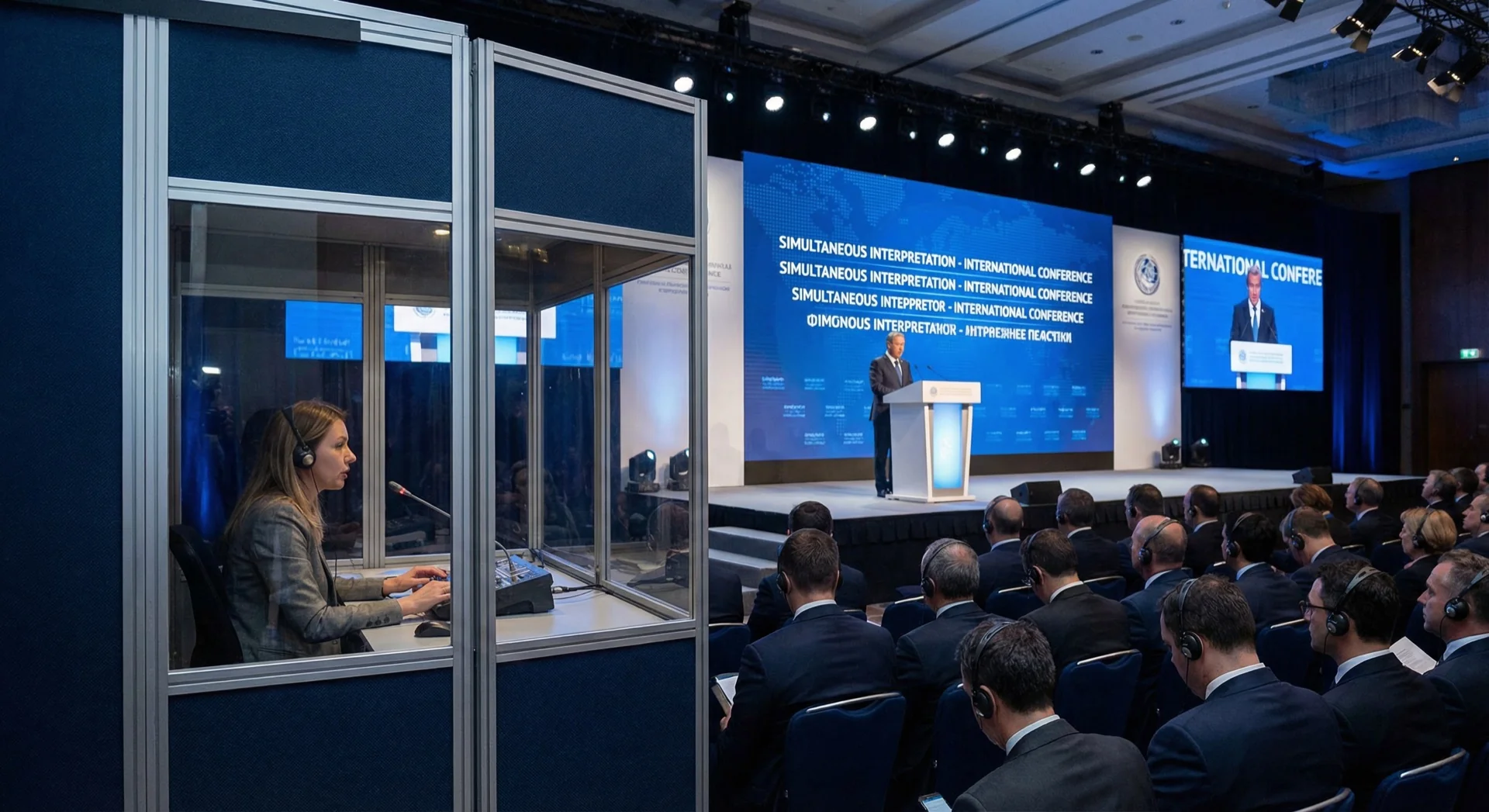
Simultaneous (conference)
Best when the agenda cannot pause. Longer sessions usually need two Korean interpreters per language who rotate, plus a technical plan for headsets, receivers, and booth placement.
Compare simultaneousConsecutive
Best for Korea–Malaysia negotiations, supplier meetings, interviews, and site visits. No booths or headsets; speakers pause so the interpreter can render each segment.
Compare consecutiveHybrid & online
For regional calls with a Korean head office, webinars, and hybrid launches, we scope the platform workflow and whether participants need a language channel or on-screen captions.
Online meeting supportKorea–Malaysia assignments
Where Korean interpreters are used in Malaysia
Typical programmes we scope for Korean-speaking stakeholders — not a generic East-Asian template.
Korea–Malaysia business
Joint ventures, HQ reviews, investor days, and supplier negotiations where tone, rank, and turn-taking matter as much as the numbers.
Manufacturing and plants
Safety briefings, process audits, equipment commissioning, and factory walkthroughs. Consecutive is often the practical format on a noisy floor.
Medical and clinical
Hospital partnerships, device training, and patient or family briefings. We scope for clinical terminology and a careful register — not conference stage Korean.
Conferences and launches
Keynotes, beauty or electronics launches, and K-content or brand events where simultaneous keeps a mixed-language audience on the same clock.
Language, not just ‘Asian’
Why a Korean interpreter is not a Chinese interpreter
Mandarin and Korean are different working languages. Booking the wrong page wastes the enquiry.
Korean is written in Hangul and uses a speech-level system (honorifics and addressee forms) that Chinese does not share. Korean–Malaysia work is often electronics, automotive components, beauty, medical devices, and manufacturing — not the same enquiry as a Mandarin conference for a China-facing programme. A Chinese interpreter cannot cover a Korean channel, and swapping the pages does not produce a usable team.
If you also need written Korean — contracts, UI strings, manuals, or slide decks — prepare those through Korean translation Malaysia so honorifics and product terms stay consistent between documents and the interpreter’s glossary.
For the format decision itself (booth team vs meeting interpreter vs hybrid), start at interpretation services Malaysia or the commercial conference hub: conference interpreter Malaysia.
Register
Honorifics change the interpreting job
Conference Korean, shop-floor Korean, and clinical Korean are different assignments.
Korean encodes rank and distance in the verb ending and in honorific vocabulary. A CEO townhall, a line-leader safety talk, and a consultant–patient conversation do not use the same register. Tell us who is speaking to whom, whether titles must be preserved, and whether the session is public stage, closed negotiation, or clinical. That briefing is part of scoping, not a cosmetic preference.
What to send before the day
Agenda, speaker list with titles, slide decks, product or process terms, and any bilingual glossary you already use with the Korean office. For medical work, share device names and whether patients will be present.
What we need for a quote
Date, city and venue name, language pair(s), audience size, session lengths, and whether the programme can pause. Hybrid or virtual assignments also need the platform and how participants will choose a language channel.
Malaysia enquiry
Get a Korean interpreter quote in Malaysia
Share date, venue, agenda, and whether this is conference-style simultaneous or meeting-style consecutive interpretation.
FAQ
Korean interpreter Malaysia questions
Conference vs meeting formats, honorifics, and why Korean is not a Chinese booking.
Do you provide Korean conference interpreters in Malaysia?
Yes. For conferences and stage programmes, simultaneous interpretation is the usual format so the agenda can continue without language pauses. We scope the Korean interpreter team, audio workflow, and any receivers, headsets, or booth planning from your venue and agenda.
When should I book consecutive Korean interpretation instead?
Consecutive interpretation is usually better for Korea–Malaysia business meetings, factory or site visits, medical briefings, and negotiations where speakers can pause. It needs no booths or headsets and keeps the conversation in the room.
Do you cover Korean ⇄ English and Korean ⇄ Malay in Malaysia?
Yes. Tell us the languages your speakers and participants will use (Korean, English, Bahasa Malaysia, or a combination) and we will confirm availability and recommend the right interpreter profile for the assignment.
Why can’t I just book a Chinese interpreter for a Korean-speaking programme?
Korean and Chinese are different languages with different scripts, speech-level systems, and commercial contexts. A Mandarin interpreter does not interpret Korean. If your audience is Korean-speaking, book a Korean interpreter. If you also need Mandarin, that is a separate language channel.
Do Korean honorifics matter in interpretation?
Yes. Korean speech levels and honorifics change with rank, age, and setting. Conference Korean, factory-floor Korean, and clinical Korean are not interchangeable. Share speaker roles and the formality of the programme so the interpreter can keep the register accurate.
Do you also translate Korean documents for the same event?
Yes. If you have contracts, slides, manuals, or briefing packs in Korean, we can translate them in advance so interpreters prepare terminology and the written materials stay aligned with the spoken event. See Korean translation Malaysia.
Explore more
Related services
Interpretation formats, Korean translation, and neighbouring language pages.